

Buy Me a Coffee
Go Defer Trap Avoided

[Golang] Avoid Using `defer mu.Unlock()` Inside Loops

In Go, using a mutex with defer might seem like an elegant and safe way to manage your code by ensuring resources are properly released. However, a common mistake lurks when this pattern is used inside loops. When working with mutexes, never do this: func broadcast(ctx context.Context, msgCh <-chan Message) { for { select { case msg := <-msgCh: s.mu.Lock() defer s.mu.Unlock() // ❌ Avoid this // Use the shared resource here case <-ctx.Done(): return } } } This seemingly harmless pattern can cause unexpected behavior and should be avoided. Let’s look into why this happens and how to handle it correctly. ...
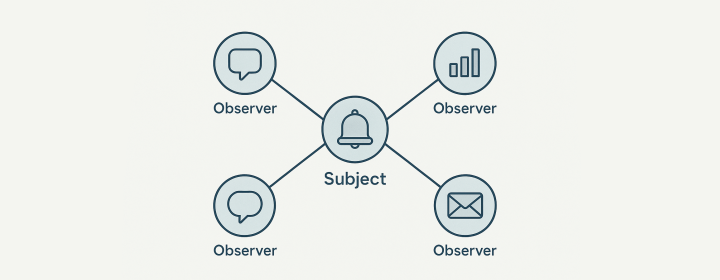

Observer pattern illustration depicting a central subject with multiple observers connected

[Golang] Exploring the Observer Design Pattern with Code Example

Introduction Today, we will dive into understanding the Observer Design Pattern with a Golang code example. This pattern is a cornerstone of software design, promoting flexibility and reuse in code by managing dependencies effectively. What Is the Observer Pattern? The Observer pattern defines a one-to-many dependency between objects, ensuring that when one object (the Subject) changes its state, all its dependents (Observers) are automatically notified. This pattern is pivotal in creating an efficient and decoupled architecture. ...

DigitalOcean Referral Badge
Sign up to get $200, 60-day account credit !