
Buy Me a Coffee
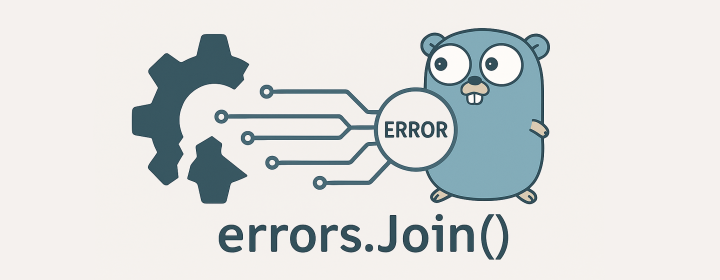
Golang errors.Join illustration

The Pragmatic Way to Handle Multiple Errors in Go (Before and After Go 1.20)

Introduction For many Go developers, a recurring challenge has been: “What is the right way to handle multiple errors?” Whether it’s running several cleanup steps, processing batches of data, or validating various inputs, ensuring errors are handled correctly and efficiently has been crucial. Before Go 1.20, developers did not have a unified approach; each team created its own solution, often leading to awkward, unidiomatic, or even incorrect patterns. With Go 1.20, we now have a standard, pragmatic solution: errors.Join. This article will explore why older techniques were problematic, how the Go team designed a better approach, and how to apply this new solution effectively in your code. ...
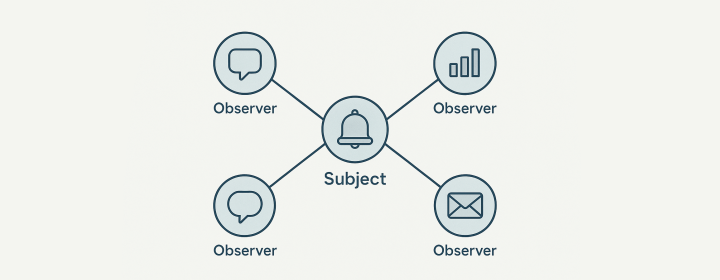

Observer pattern illustration depicting a central subject with multiple observers connected

[Golang] Exploring the Observer Design Pattern with Code Example

Introduction Today, we will dive into understanding the Observer Design Pattern with a Golang code example. This pattern is a cornerstone of software design, promoting flexibility and reuse in code by managing dependencies effectively. What Is the Observer Pattern? The Observer pattern defines a one-to-many dependency between objects, ensuring that when one object (the Subject) changes its state, all its dependents (Observers) are automatically notified. This pattern is pivotal in creating an efficient and decoupled architecture. ...

DigitalOcean Referral Badge
Sign up to get $200, 60-day account credit !